
Fixing steel to concrete: wedge, sleeve or chemical anchor?
For a steel post, beam or bracket on solid concrete, a wedge anchor (through bolt) is the usual choice: drill through the fixture, tap it in, tighten. Use a sleeve anchor when the base is block or brick or you need a bolt you can remove, and a chemical anchor (resin with threaded rod) for heavy loads, fixings close to an edge, or hollow masonry.
Kenya is building at pace. The government plans 500,000 affordable homes in 2026, with about 320,000 completed or under construction (The Star, 1 January 2026), and nearly every building has steel fixed to concrete somewhere: stair stringers, gates, canopies, racking, cable trays. The right anchor is what keeps it there.
Wedge anchors (through bolts): solid concrete, quick to fit
A wedge anchor is a threaded stud with an expanding clip at the bottom. Drill a hole the same diameter as the anchor straight through the fixture into the concrete, hammer the anchor in, and tighten the nut: the clip wedges against the hole wall. It needs solid concrete, not hollow block or soft brick.
- Sizing: the first number is the diameter (and the drill bit), the second the length. A 12 x 100 anchor is 12 mm thick and 100 mm long, for a 12 mm hole. Choose a length that covers the fixture plus the embedment the anchor needs.
- Good for: base plates, gate posts, brackets, racking and handrails on slabs and beams.
- Watch: keep to the edge distance and spacing on the anchor's data sheet; an anchor set too close to an edge can crack the concrete.
We stock wedge anchors from 6 to 24 mm in zinc-plated steel, and in A2 stainless for damp or outdoor work. See wedge anchors.
Sleeve anchors (rawl bolts): block, brick and removable bolts
A sleeve anchor expands a metal sleeve along its length, which spreads the load and lets it grip in concrete, solid block and brick. Many buyers call them rawl bolts. The projecting type has a stud standing out of the wall for the fixture to slide over; the loose-bolt type lets you take the bolt out and refit it.
In good concrete a sleeve anchor holds less than a wedge anchor of the same size, so step up a size, or move to a chemical anchor, for heavy loads. See sleeve anchors.
Chemical anchors: heavy loads, close edges, hollow masonry
A chemical anchor is resin injected into a drilled hole with a threaded rod set into it. The resin bonds the rod to the base along its whole length without expansion forces, so it can sit closer to an edge and carry heavy or vibrating loads.
- Drill to the depth for the rod size.
- Clean the hole: blow out, brush, blow out again. Dust left in the hole is the most common reason a chemical anchor fails.
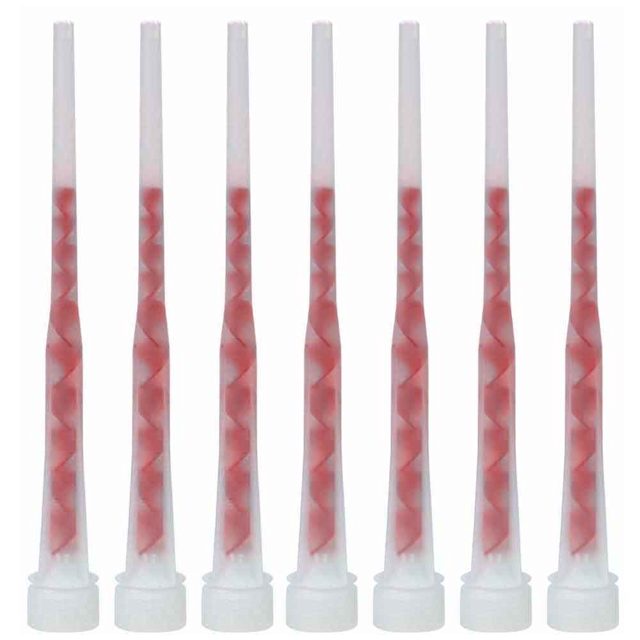
- Fit a mixing nozzle and discard the first squeeze until the colour is even.
- Fill the hole from the bottom, about two-thirds full, and twist the rod in.
- Leave it for the cure time printed on the cartridge before loading; it is longer in cold weather.
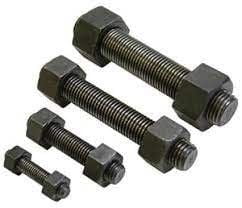
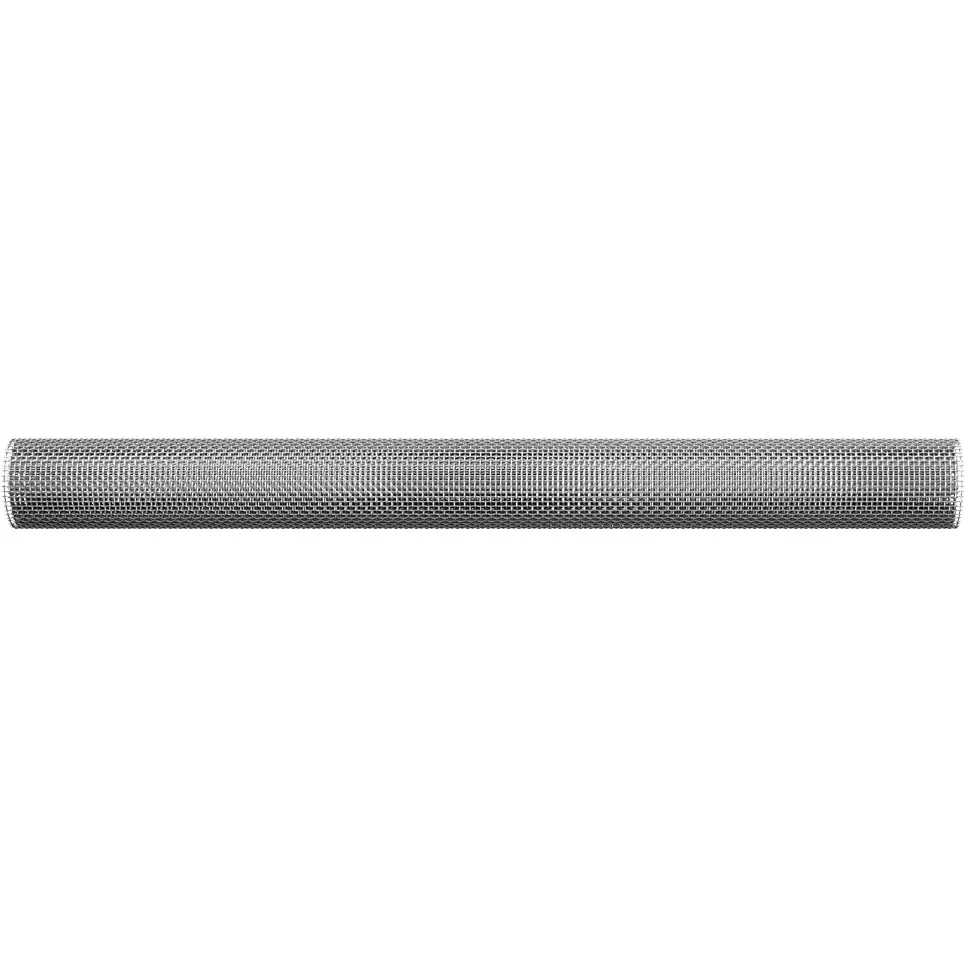
For hollow block, inject into a mesh sleeve so the resin keys around the cells. You need resin, nozzles, a dispenser gun and threaded rod: grade 5.8 for general work, 8.8 where the design asks for it. See chemical fixings.
Quick choice
| Base and job | Use |
|---|---|
| Steel post or bracket on solid concrete | Wedge anchor |
| Block or brick, or a bolt you may remove | Sleeve anchor |
| Heavy or vibrating load, or close to an edge | Chemical anchor with threaded rod |
| Hollow block | Chemical anchor in a mesh sleeve |
| Damp or outdoor | Stainless A2 (ask us about A4 for the coast) |
Not sure which fits your job? Send a photo and the load to us on WhatsApp +254 723 525243, or request a quote with your list.
Anchors and chemical fixings
This bolt anchor is manufactured from zinc plated steel and adheres to the DIN 529 standard. It features a nominal size of 12 x 100. The product is supplied as a wedge anchor suitable for structural fastening.
per Pcs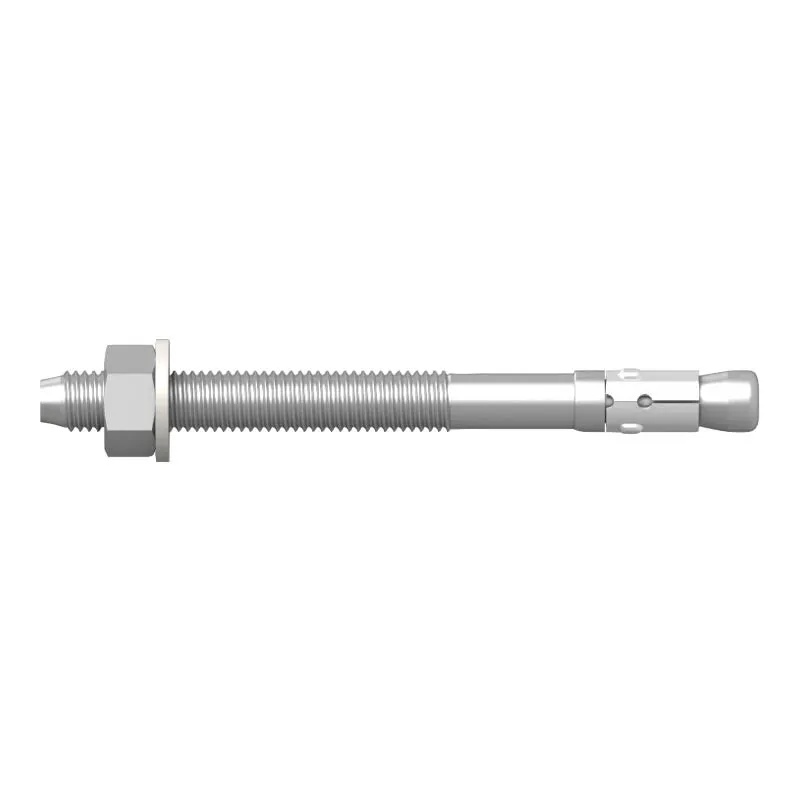

Questions buyers ask
Can I use a wedge anchor in hollow block?
No. A wedge anchor needs solid concrete to expand against. In hollow block use a chemical anchor injected into a mesh sleeve, or a fixing made for hollow masonry.
What drill bit does a 12 mm wedge anchor need?
A 12 mm bit: the anchor and the hole have the same diameter. Drill a little deeper than the embedment shown on the anchor's data sheet.
How long before I can load a chemical anchor?
Wait for the full cure time printed on the cartridge. It depends on the resin and the temperature, and is longer in cold weather.
Do you supply the gun and nozzles too?
Yes. We stock dispenser guns for single and two-pack cartridges, mixing nozzles and threaded rod to go with the resin.